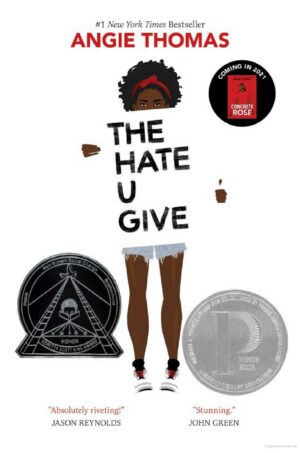
While driving a carful of kids away from Funville at the beach in Delaware at night last June, I was pulled over for failing to turn on the car’s lights. This was not my car (my car‘s lights go on automagically), and I’d completely forgotten to remember lights what with all the kerfuffle in the back two rows of seats. The officer (white, male) walked up to my side of the car, peeped in, and asked me, “Ma’am do you know why I pulled you over?” I said, “honestly no,” and I apologized. He explained, and I reached for my license, asked the friend in the passenger seat (another white mom) to find the registration in the glove compartment (where I was praying it would be, as this was not my car), and began to dig around for my car insurance card. Having found all, I passed them to the officer. He handed me the insurance card right back and pointed out it had expired two years ago. He suggested that I install the insurance company’s app on my phone, and then he waited for me to log in so he could verify that my insurance was up to date. He went back to his squad car for a long while. Then he returned, gave me back my ID and stuff, and let me off with a warning. He could have written me two tickets, or worse. I was reading Angie Thomas’s bestselling debut novel on this vacation, and this event put things into stark perspective for me.
Probably the most surprising thing about this book was how very complex and rich the characters and settings and plot are. I knew the basic premise: two Black teenagers pulled over, ends with a murder and a shook witness. But then all that happens afterward, the way you get to know these characters and care for them, the extended family, kin, community (or communities, really, if you consider the way that socio-economic class intersects in the story), is really an amazing bit of writing. Black Jesus, domestic violence, inter-racial romance, friends who are allies and friendships that end, multi-generational family love, and the ever present gang tensions. The story is not simple or simplified for a younger audience, it is not didactic, and it inspires a change of heart, if not all-out activism. I loved reading it.
It’s won a lot of awards including the William C. Morris award for a debut YA novel, a Coretta Scott King honor for outstanding YA novel by an African American writer, and a Printz honor for excellence in YA literature. It’s a NYT bestseller, and they made a movie out of it in 2018 (which I have not seen). I’m excited to teach it in a class this fall. 12/10 Starrs.